AI is meant to increase productivity. Autonomous agents promised seamless task management with minimal human intervention.
Yet, 95% of AI automation projects remain stuck in pilot mode.
What went wrong?
The issue isn’t AI itself—it’s how it’s been designed and applied. As organizations grapple with trust, control, and transparency, the focus has shifted toward finding a balance between automation and human involvement.
The Two Faces of AI Agents: Fully Autonomous vs. Co-Pilots
Fully Autonomous Agents
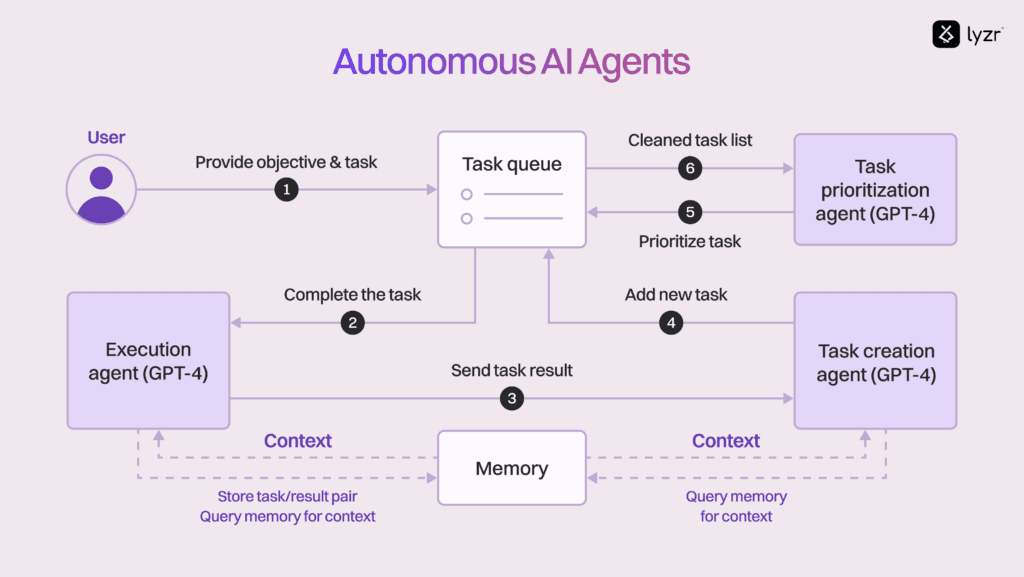
Fully autonomous agents were marketed as the ultimate time-savers. They promised to handle entire tasks end-to-end without breaking a sweat. But the reality? It’s more like leaving a toddler unsupervised near a busy street—anxiety-inducing at best.
Many organizations that bet on these systems are now facing churn. The trust deficit is just too high. Companies find themselves constantly checking and correcting, defeating the whole purpose of automation.
Co-Pilot Agents: A Safer Bet
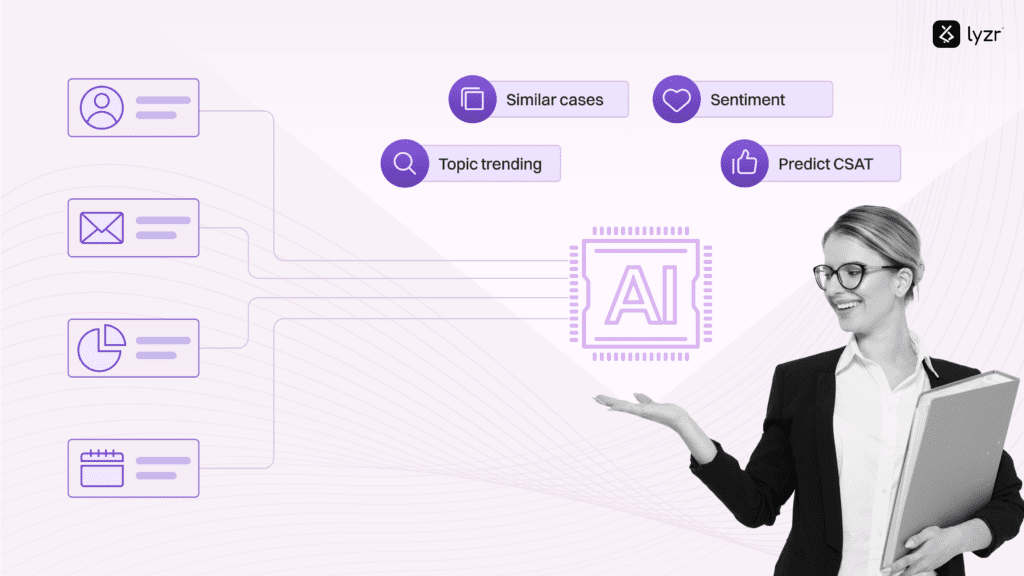
On the other hand, “Co-Pilot” agents—like Microsoft’s aptly named CoPilot—offer a more approachable alternative. They don’t try to replace human judgment; they enhance it. Think of them as navigators, not captains. They assist in workflows, boost confidence, and help professionals work smarter without relinquishing control.
So, where does this leave us? Between the extremes of full autonomy and simple assistance lies a third category that’s redefining AI adoption.
Human Assistance Platforms (HAPs): Bridging the Gap
Fully autonomous systems often feel like handing the keys of your business to a stranger. You wouldn’t do that, right?
The hesitation stems from a natural desire for control and accountability. Co-pilot agents, while helpful, often fall short of delivering the promised productivity gains.
So, what bridges the gap between full autonomy and human control?
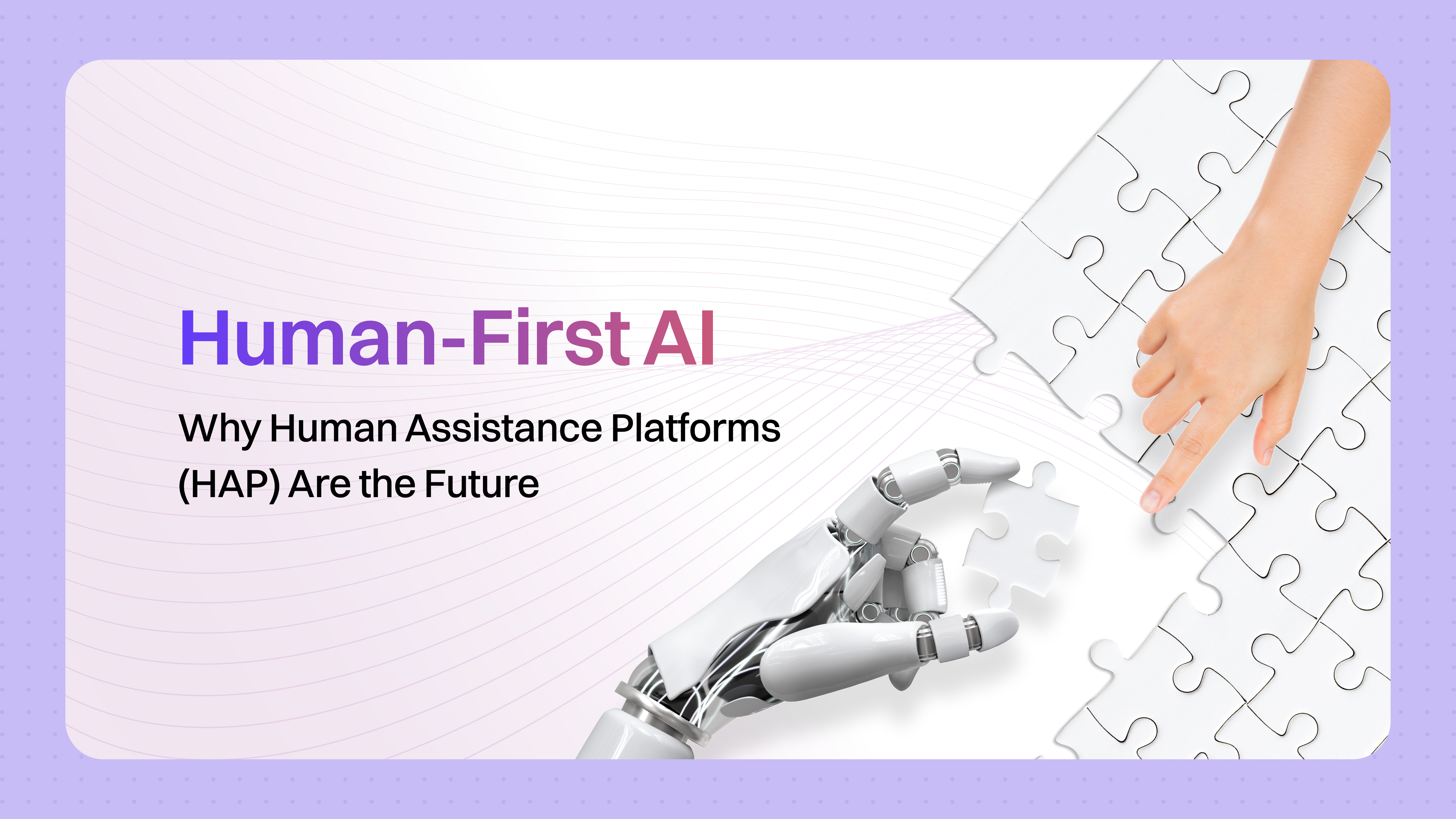
Unlike their autonomous counterparts, HAPs put humans firmly in charge. These agents wait for you to initiate tasks and maintain transparency throughout the process. Think of it like a well-trained guide dog: helpful, responsive, and never overstepping its bounds.
HAPs offer what many organizations have been craving—trust and flexibility. They provide the assistance AI promises without the anxiety of handing over complete control.
The ChatGPT Example: AI Done Right
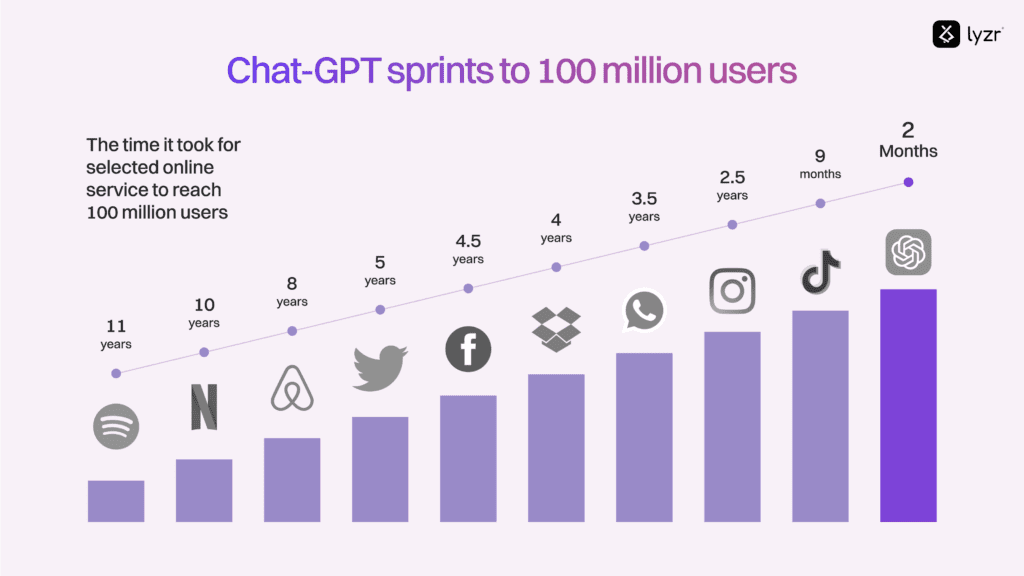
ChatGPT’s success story highlights the power of Human Assistance Platforms. Why did it attract over 200 million users so quickly?
- It’s accessible: ChatGPT simplifies interactions.
- It’s collaborative: Users initiate and guide workflows.
- It’s non-threatening: It doesn’t act on its own, ensuring users feel in control.
Similarly, platforms like Clay.com enable sales teams to streamline tasks like research and outreach while still leaving key decisions in human hands.
Lessons Learned from Autonomous AI
The challenges faced by fully autonomous agents reveal some hard truths:
| Lesson | Implication |
|---|
| Autonomy needs oversight | Human input is essential for critical decisions. |
| Adaptability is key | Agents must handle complexity and change. |
| Context matters | Agents can misinterpret data without full context. |
| Security and accountability are vital | Clear safeguards and responsibility must be in place. |
The Future of AI Adoption: Assistance Over Autonomy
The takeaway is clear: AI isn’t here to take over—it’s here to help. By focusing on trust, transparency, and collaboration, Human Assistance Platforms create a path for sustainable adoption.
They let organizations utilize AI’s potential while keeping humans at the heart of decision-making.
With Lyzr: Award-winning Enterprise Agent Platform, this vision becomes a reality.
Lyzr improves workflows, providing intelligent support while keeping you firmly in control.
Ready to discover how Lyzr can help simplify your processes and boost productivity?
Book a demo now and let’s start building smarter, together.
Book A Demo: Click Here
Join our Slack: Click Here
Link to our GitHub: Click Here